For centuries, people have paid for more than just sex-they’ve paid for presence. A warm smile at the end of a long day. Someone who remembers how you take your tea. A conversation that doesn’t end when the lights go out. This isn’t new. It’s not even rare. What changed isn’t the need for companionship-it’s how we name it, shame it, and sell it.
Today, you might search for a girl escort in london and find profiles that promise dinner, conversation, and discretion. But this isn’t the first time society has turned to paid companionship to fill emotional gaps. Long before online booking platforms, there were geishas in Kyoto, courtesans in Renaissance Venice, and hostesses in 1920s Shanghai. Each of these roles carried cultural weight, rules, and unspoken expectations. The modern escort is just the latest version of an ancient human pattern.
Geishas: Art, Not Sex
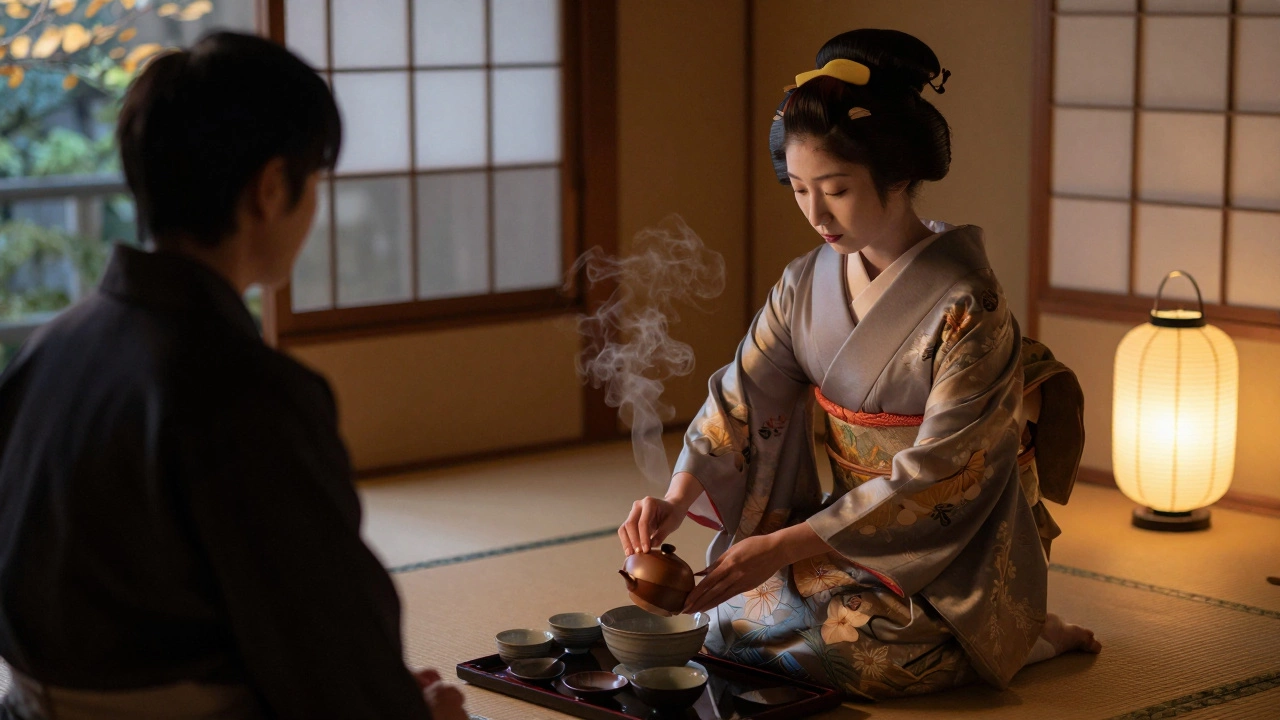
Many assume geishas were prostitutes. They weren’t. In Edo-period Japan, a geisha was a highly trained entertainer-skilled in dance, music, poetry, and conversation. Her value wasn’t in physical intimacy but in mastery of atmosphere. She could hold a room with a single gesture. A tea ceremony performed with perfect timing. A joke told at just the right moment. Clients paid for her time, her presence, her ability to make them feel seen.
Geishas lived in okiya, houses run by matrons who managed their training, contracts, and reputations. A girl might enter as young as 10, spending years learning shamisen, calligraphy, and the subtle art of reading a guest’s mood. Her first major performance was her misedashi-the debut that marked her as a full geisha. Her earnings went to the okiya until she paid off her debt, often taking years. Even then, she wasn’t owned. She was an independent businesswoman in a society that gave women few paths to financial autonomy.
The romanticized image of the geisha as a tragic figure comes from post-war Western films, not Japanese history. Real geishas were respected professionals. Some even owned property. Others became mentors to younger apprentices. Their world was strict, disciplined, and deeply artistic. And yes, some clients did seek more than conversation. But that wasn’t the point of the job. The art was in the restraint.
Courtesans: Power in Pleasure
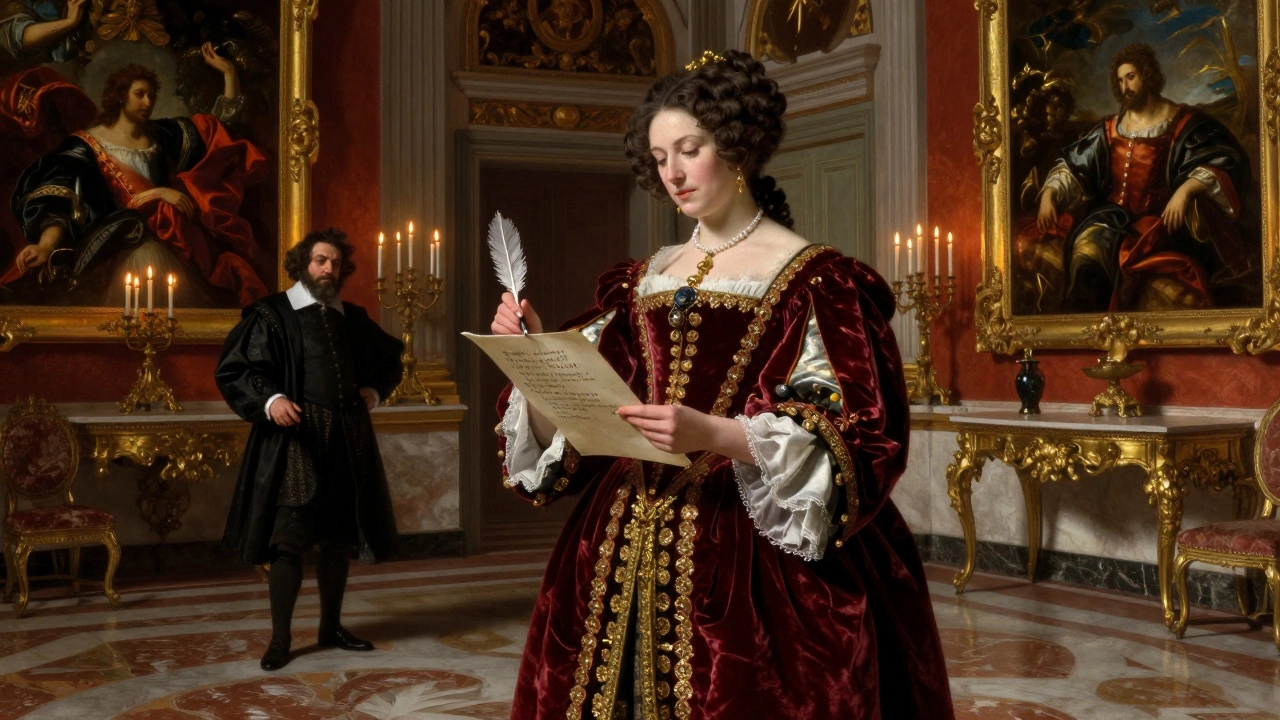
Across Europe, the 16th and 17th centuries saw the rise of the courtesan-a woman who combined beauty, intellect, and social savvy to rise above her station. Unlike common prostitutes, courtesans moved in noble circles. They were painted by Titian, hosted salons, and advised kings. Veronica Franco of Venice was not only a courtesan but a published poet. She wrote sonnets defending women’s right to control their bodies and their earnings.
Courtesans didn’t just sleep with powerful men-they negotiated with them. They demanded jewelry, homes, and titles. Some secured pensions. Others raised children who inherited wealth and status. Their relationships were transactional, yes, but also deeply political. A courtesan could influence policy, open doors to diplomats, or broker peace between rival families. She was a social engine disguised as a lover.
Unlike geishas, courtesans often had direct romantic ties with their patrons. But even then, contracts were common. Terms were written. Payments were recorded. Their work was legal, regulated, and sometimes even taxed by the state. The line between mistress and professional companion was thin-and often blurred on purpose.
20th Century: From Hostesses to High-End Companions
After World War II, the global economy shifted. Cities grew. Men traveled more. Women entered the workforce, but social norms lagged. In Tokyo, New York, and Paris, a new kind of companion emerged: the hostess. She worked in bars and clubs, serving drinks, listening, laughing, and making men feel like the most interesting person in the room.
In Japan, these women were called hostesses. In the U.S., they were called call girls. In London, they were quietly referred to as escort london girl in private circles. The difference wasn’t the service-it was the language. One term carried elegance. Another carried stigma. But the need behind both was the same: connection without obligation.
By the 1980s, the rise of corporate travel created a booming market. Executives flying from Frankfurt to Hong Kong didn’t want solitude. They wanted someone who could talk about art, politics, or the latest football match. Someone who wouldn’t judge their loneliness. Someone who knew how to make a hotel room feel like home.
The Modern Companion: Emotional Labor as a Service
Today, the companion industry is digital. Profiles list interests: ‘loves hiking, hates small talk,’ ‘enjoys cooking together,’ ‘willing to travel.’ The most successful ones don’t just show up-they curate experiences. A weekend in the Cotswolds. A private gallery tour. A quiet dinner after a conference.
This isn’t prostitution. It’s emotional labor packaged as a service. The companion doesn’t just provide physical presence-she provides validation. She listens without interrupting. She remembers your dog’s name. She doesn’t ask for your salary, your ex, or your trauma. She’s paid to be present, not to fix you.
Platforms now let clients filter by language, hobbies, or even zodiac signs. Some companions offer virtual sessions. Others specialize in supporting men recovering from divorce or grief. A growing number are college-educated-psychology majors, former teachers, ex-lawyers-who chose this work because it pays better than their degrees ever did.
And yes, some clients want sex. But many don’t. One London-based companion told me she had 37 clients last year. Only five requested physical intimacy. The rest just wanted someone to watch a movie with. To walk through a park. To sit in silence while they cried.

Why the Stigma? Why the Silence?
Why do we shame companionship but celebrate therapy? Why is a $200/hour psychologist called a professional, while a $300/hour companion is called a criminal?
The answer lies in gender. Men who pay for companionship are often seen as lonely, not immoral. Women who sell it are labeled immoral, not lonely. The double standard is baked into the language. We say ‘escort’ when we mean ‘woman.’ We say ‘client’ when we mean ‘man.’
Legal systems treat companionship differently across borders. In Germany, it’s legal and regulated. In the U.S., it’s a patchwork-legal in some counties, felony in others. In the UK, selling sex isn’t illegal, but soliciting or running a brothel is. That’s why many modern companions work independently, using apps and private listings. They’re not hiding because they’re ashamed. They’re hiding because the law forces them to.
And yet, demand keeps growing. Especially among older men. Especially after divorce. Especially in cities where loneliness is rising faster than rent. A 2023 study by the London School of Economics found that 42% of men over 50 in major UK cities reported feeling ‘chronically isolated.’ Many said they’d pay for companionship if it weren’t so socially risky.
What’s Next?
The future of companionship isn’t in hidden alleys or flashy websites. It’s in normalization. More people are speaking openly about their experiences. Podcasts feature former companions. Universities are starting courses on the sociology of intimacy. Even therapists are beginning to acknowledge that paid companionship can fill gaps traditional therapy can’t.
Imagine a world where you could hire someone to accompany you to your sister’s wedding-not because you’re lonely, but because you want someone who knows how to navigate family drama. Or someone to sit with you during chemo, not as a nurse, but as a quiet, steady presence. These aren’t fantasies. They’re real needs. And they’ve always been met, one way or another.
The next chapter won’t be about legality or morality. It’ll be about dignity. About recognizing that paying for human connection isn’t a flaw-it’s a reflection of how deeply we crave it.
And if you’re reading this because you’ve ever felt too alone to say it out loud-you’re not broken. You’re human. And you’re not the first.
Some of the most powerful relationships in history were built on payment. Not because love was absent. But because it was too complicated to give away for free.